The Wrong Exposure
There is no right or wrong exposure. There never was.
I called this place The Wrong Exposure because the first thing photography teaches you is a set of rules, and the second thing, if you’re lucky, is that the rules were never the point. The horizon doesn’t have to be straight. The frame doesn’t have to be clean. The light doesn’t have to behave. If the subject is alive, the rest is negotiable.
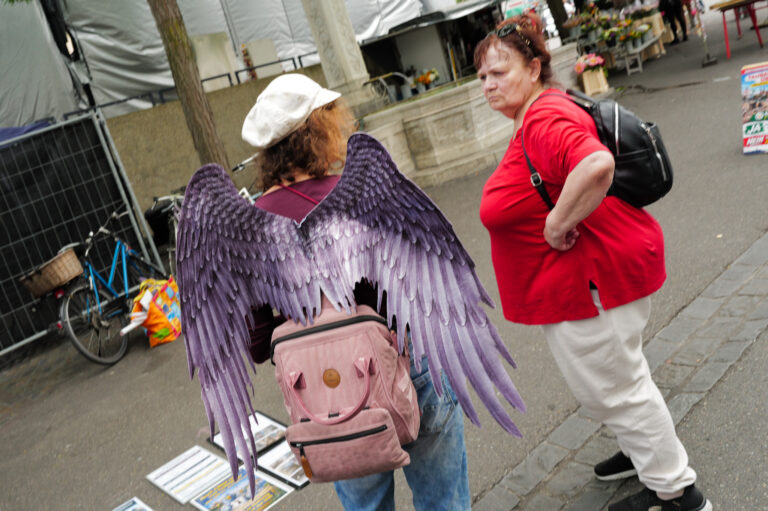
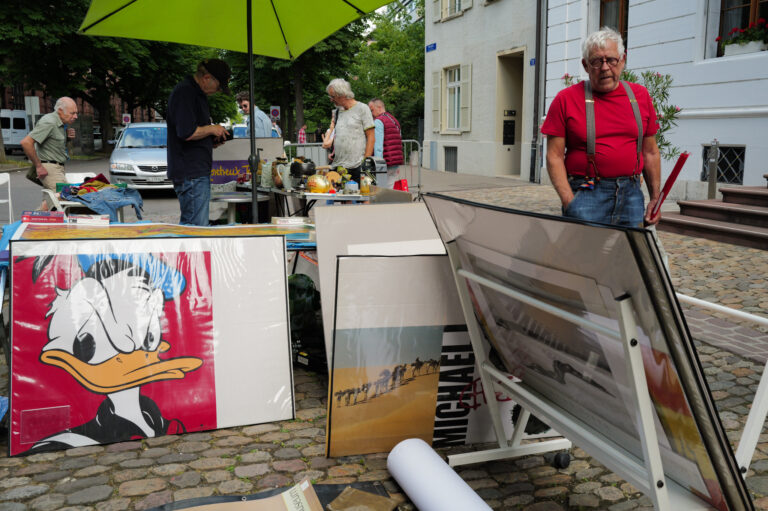
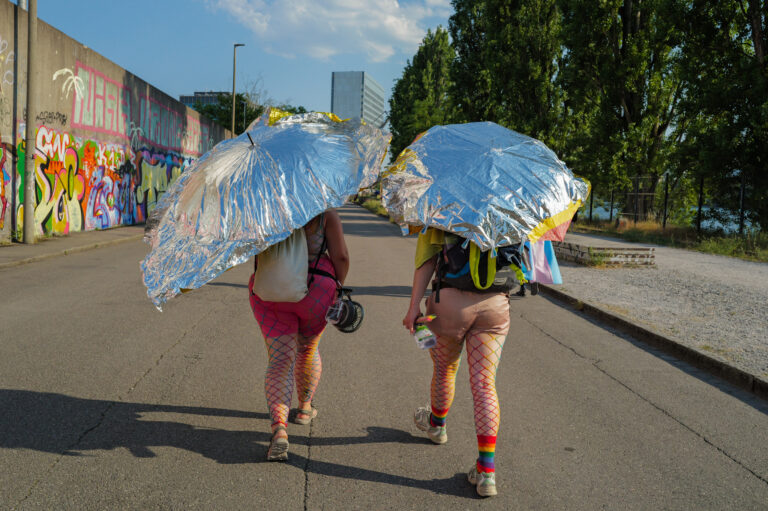
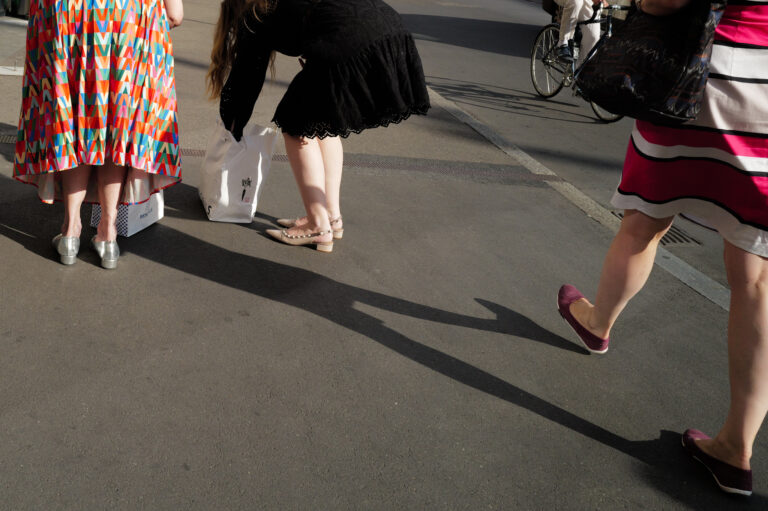
Street photography, to me, is just this: paying attention to ordinary life until it stops being ordinary. The extraordinary hiding inside the everyday: a gesture, a shadow, two strangers who will never know they made a picture together. The subject is everything. The camera, the settings, the technical perfection: none of it matters if there is nothing to look at, and all of it can be forgiven if there is.
So when I say wrong, I don’t mean broken. I mean free. The word “wrong” only exists if you believe there’s a single correct way to do this, and there isn’t. The question is this right or wrong? is the cage. Step out of it and you can shoot a frame as composed and geometric as you like, or as loose and chaotic as the street throws at you, and neither is more honest than the other.
The proof is in the people who came before. Henri Cartier-Bresson built the whole language: the decisive moment, the perfect geometry, the frame you couldn’t crop if you tried. Then Garry Winogrand showed that you could go past it: tilted, crowded, restless, shot by the thousand, and still completely alive. People like to set them against each other. I don’t. They weren’t opposites, they were both starving for the same thing, for life and for photographs. One opened the door, the other walked through it and kept going. Today you get to know them both. You get the whole range: Joel Meyerowitz finding pleasure and color in a New York corner, Alex Webb layering a single frame until it almost can’t hold itself together. Beauty and document, elegance and grit. Street photography is wide enough to hold all of it. That width is the freedom.
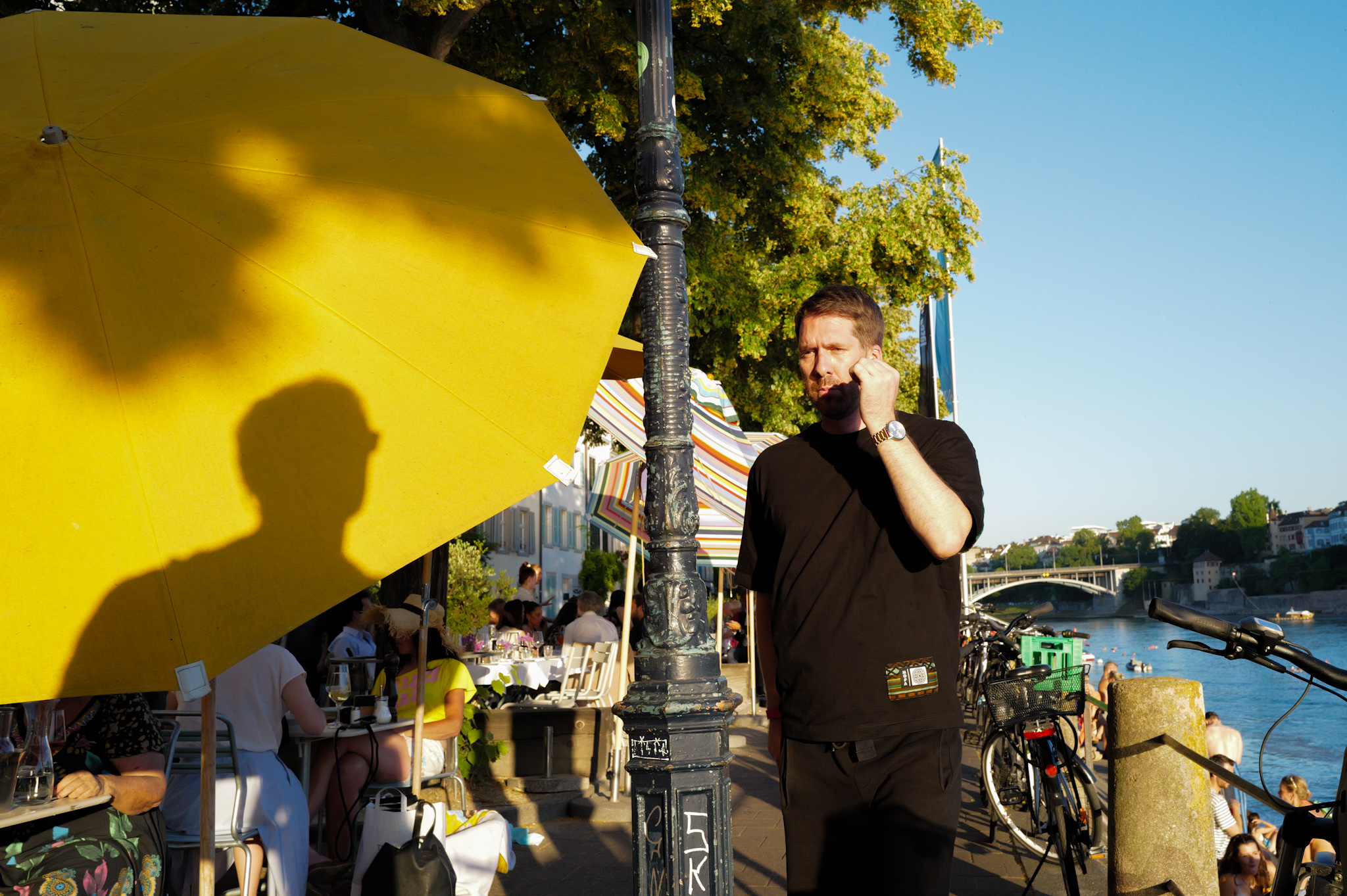
The photograph at the top of this page is one I almost didn’t take. I had walked all day and found nothing. Instead of giving up, I went down the steps by the bridge, onto the riverbank, just to see. The shadow on the yellow umbrella stopped me first: it was mine, my own silhouette thrown across the canvas. I raised the camera, and as I did a man passed behind me and lifted his hand against the low sun in his eyes. I pressed the shutter. The photographer exposed as a shadow, a stranger exposed by the light, both of us in the same frame, neither of us quite meaning to be there. I wasn’t thinking about rules. I was just paying attention.
And then there’s the other meaning of the word. Every photograph is an exposure in more ways than one. The subject is exposed, caught living, unaware. The photographer is exposed too: every picture you make is a confession of what you choose to look at, what you find worth keeping. And all of this happens now, in an age that has turned exposure into a currency: feeds, visibility, lives performed for an audience. Street photography sits oddly against all that. It documents the unposed in a world that poses constantly. It keeps its distance from the glossy, the fashioned, the perfect. That’s the corner it occupies, and the reason it still matters to me.
There is no right or wrong exposure. There’s only what you saw, and whether you were honest about it.